

The Nature of Luck in Gambling
Luck is often perceived as a random force that impacts outcomes in gambling environments, particularly in casinos. Many players believe that their fortunes can fluctuate wildly from session to session, where a string of wins may spontaneously turn into losses. This unpredictability is integral to the casino experience, as it evokes a sense of excitement and thrill. Players exploring the best online casino nz tend to attribute their victories to good luck and their losses to bad luck, reflecting a psychological tendency to externalize outcomes beyond their control.
Moreover, the concept of luck varies significantly among different cultures and individuals. Some players may rely on rituals, charms, or personal beliefs to enhance their perceived luck, such as wearing lucky clothing or using specific playing techniques. This interplay between personal beliefs and gambling behaviors highlights how deeply ingrained the notion of luck is in our social fabric, influencing not only individual experiences but also collective attitudes towards gambling.
In statistical terms, luck may be viewed as the variable that affects the outcome of any game played in a casino. Yet, it’s essential to differentiate between “luck” and “skill,” particularly in games where strategy and knowledge play critical roles. For instance, in games like poker, players are often required to make calculated decisions that can mitigate the role of luck. This distinction is vital as it shapes how players approach their betting strategies and manage their expectations in terms of winning or losing.
The Role of Randomness in Casino Games
At the core of most casino games lies randomness, which is often equated with luck. Whether it’s the spin of a roulette wheel or the shuffle of a deck, the unpredictability of these actions determines the outcome. Casino games are designed with built-in random number generators or other mechanisms to ensure that each game is fair and unpredictable. This randomness is what makes each gambling session unique and adds to the allure of risking money for the potential of a payout.
Many players may not realize that they are engaging with probabilities and odds every time they place a bet. For instance, in slot machines, the odds of hitting the jackpot might be extremely low, and yet the tantalizing nature of a big win pulls players in. This psychological engagement with chance plays a crucial role in why people return to casinos time and again, chasing that elusive moment of luck that might change their lives. The realization that their fate hinges on chance can be both exhilarating and anxiety-inducing.
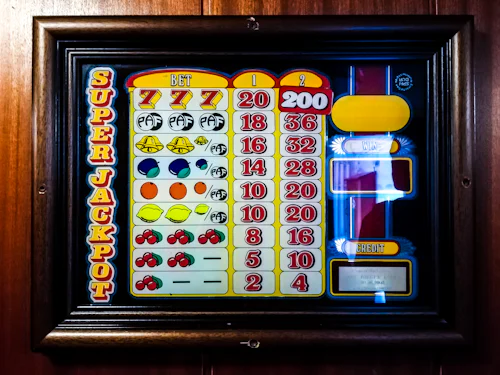
The interaction between randomness and player choices also contributes to the overall casino environment. Players often develop personal strategies based on their previous experiences, convinced that certain patterns or behaviors might influence their chances, despite the underlying randomness. This interplay of perceived agency against an inherently random backdrop is what makes casino gaming a complex experience, blurring the lines between skill, luck, and sheer chance.
Psychological Aspects of Luck in Gambling
The psychological relationship between players and luck can significantly impact decision-making at the casino. When players win, they often feel a rush of euphoria that reinforces their belief in their lucky streak. Conversely, losing can provoke feelings of frustration or helplessness, leading some to take irrational risks in the hopes of reclaiming their losses. This cycle of belief in luck can profoundly affect not just individual gaming sessions but also overall gambling habits, sometimes leading to problematic behaviors.
Cognitive bias also plays a significant role in how players perceive luck. For example, the “gambler’s fallacy” leads individuals to believe that past outcomes influence future results, such as thinking that a particular number on a roulette wheel is “due” to come up after not appearing for several spins. This fallacy can trap players in a loop of chasing losses or feeling overconfident after a win, further complicating their relationship with luck and strategy while gambling.
Addiction and luck are closely intertwined; players may find themselves drawn deeper into gambling because of the allure of hitting a lucky streak. This psychological dependency can skew their understanding of risk, often leading them to ignore responsible gambling practices. They may justify their continued play by reminding themselves of past wins, which could obscure the reality that luck is transient and often unpredictable, emphasizing the need for awareness and moderation in gambling activities.
Strategies to Cope with Luck’s Influence
Understanding the unpredictable nature of luck in gambling is essential for players seeking to manage their casino experience effectively. One way to cope is to set clear limits on the amount of time and money spent gambling. By establishing boundaries, players can focus on enjoying the entertainment aspect of casinos rather than relying solely on luck for monetary gain. This approach helps mitigate the emotional rollercoaster that often accompanies gambling sessions.

Another effective strategy involves educating oneself about the games being played. Understanding the odds and house edge can empower players to make more informed decisions and reduce reliance on luck. For instance, knowing that certain games offer better odds of winning can lead to more strategic gameplay rather than leaving everything to chance. This education can transform the perception of luck from a mystical force to a calculable factor intertwined with logic and skill.
Additionally, players are encouraged to adopt a balanced mindset, recognizing that while luck plays a role, it should not dictate their self-worth or financial security. Engaging in casino activities should be viewed as entertainment, and participants should approach their time at the tables or machines with a mindset geared toward enjoyment, rather than merely chasing wins. This psychological shift can significantly enhance the overall experience and help players navigate the often tumultuous terrain of luck in casinos.
Exploring Our Website for More Insights
Our website serves as a valuable resource for individuals interested in exploring the many facets of gambling and how luck influences outcomes at the casino. We offer in-depth articles, expert opinions, and insightful data that can help players understand not only the mechanics of games but also the psychological factors that accompany gambling. Acknowledging the complexity of luck in these environments is our goal, enabling players to make informed choices while engaging in casino activities.
By visiting our website, you can stay updated on the latest trends, strategies, and research surrounding gambling, luck, and player behavior. Our content is designed to empower players—be they novices or seasoned gamblers—with the knowledge and tools necessary to navigate the exhilarating world of casinos. Whether you’re looking for advice on gaming strategies or insights into managing gambling habits, our resources are tailored to enrich your experience.
Ultimately, luck may be a significant element in determining the outcome of games played in casinos; however, understanding its nuances can transform how players approach gambling. Explore our comprehensive insights to enhance your understanding of luck and improve your casino experience. Embrace the thrill of chance while armed with the knowledge that can make your time enjoyable and responsible.
