

The Role of Luck in Casino Games
Luck is often heralded as the defining factor in many casino games, especially those that are purely chance-based. Games such as slot machines and roulette rely heavily on random outcomes, meaning that players lack any control over the results. In these games, the nature of play is such that no strategy can influence the outcome; hence, players depend solely on luck for success. This reliance on chance can create a thrilling atmosphere, where many are enticed to explore new betting sites that offer various opportunities to win big with a single spin or roll.
Moreover, luck can be a double-edged sword in the context of gaming. While it can lead to sudden, unexpected wins, it can also result in significant losses. Players often experience streaks of good or bad fortune, leading to emotional highs and lows. This emotional journey can define the gambling experience, making it alluring for many individuals who thrive on the excitement associated with taking risks. However, it is essential to remember the unpredictable nature of luck, which can be both captivating and treacherous.
Despite the thrill of luck, it remains important for players to understand that relying solely on chance can be a dangerous approach. Many players might find themselves on a losing streak, despite having high hopes for their next bet. While luck may bring short-term success, it is essential to acknowledge its unpredictable character, which means it should not be the only factor players consider in their gaming pursuits. A balanced perspective on luck can help players enjoy the experience while managing their expectations.
The Importance of Skill in Casino Gaming
Skill plays a vital role in many casino games, particularly in those that require strategy, knowledge, and experience. Games such as poker, blackjack, and baccarat are excellent examples where a player’s skill can significantly influence the outcome. In poker, for instance, understanding the mathematics of the game, reading opponents, and knowing when to bet or fold can lead to consistent winnings over time. Skilled players can identify patterns and make informed decisions that enhance their chances of success, often outperforming less experienced competitors.
Furthermore, skill can reduce the house edge, which is the casino’s inherent advantage in games. By employing effective strategies, skilled players can optimize their gameplay, leading to better financial outcomes. In blackjack, for example, players can use card counting techniques to make more informed betting decisions. This ability to leverage skill against the odds can result in a favorable outcome, highlighting the importance of understanding the game beyond mere luck and emphasizing the value of preparation and practice.
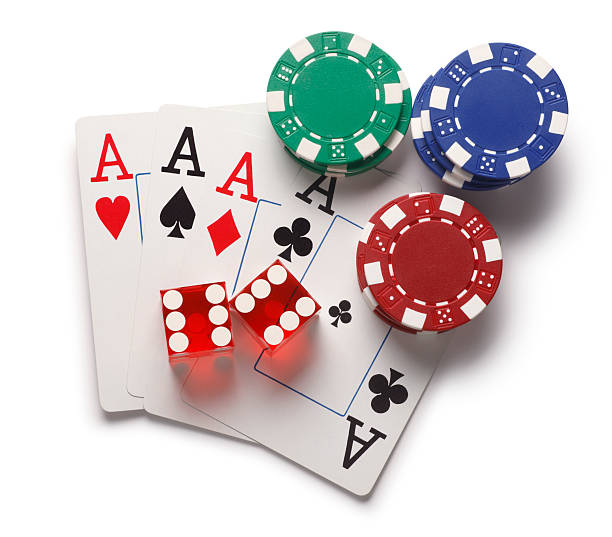
Moreover, skillful players often engage in continuous learning and practice to refine their techniques. This dedication to improvement fosters a deeper understanding of the games they play, enhancing their overall experience. In contrast to games ruled by chance, skill-based games allow for personal growth and mastery, making them appealing to those who thrive on challenges and strategic thinking. By honing their skills, players can enjoy the satisfaction that comes with becoming more adept at their chosen games.
The Balance Between Luck and Skill
In the world of casino gaming, striking a balance between luck and skill is essential for a well-rounded experience. While it’s clear that some games are predominantly based on luck, others provide an opportunity for players to apply their skills effectively. This duality creates a diverse gambling landscape, accommodating various player preferences and styles. Players who enjoy a purely luck-based game may find excitement in the spontaneity it offers, while those who prefer skill-dependent games appreciate the challenge and engagement they provide.
Moreover, even in skill-based games, luck can still play a significant role. For example, a skilled poker player may make calculated decisions, yet unpredictable card draws can alter the course of the game in an instant. This interplay reinforces the idea that no matter how skilled a player may be, chance remains an integral part of the experience. Therefore, understanding the relationship between luck and skill is crucial for developing a holistic approach to gambling and enjoying the full range of emotions that come with it.
Ultimately, players should recognize that both elements contribute to the casino gaming experience. Embracing the unpredictability of luck while also honing their skills can lead to a more enjoyable and potentially rewarding journey. This balance allows players to appreciate the nuances of different games while keeping the excitement alive, creating a more fulfilling experience overall. Recognizing that both luck and skill have their place can help players cultivate a more nuanced approach to gaming.
The Psychological Aspect of Luck and Skill
The psychological impact of luck versus skill in casino gaming is profound. Many players are drawn to the excitement of chance, believing that luck will favor them and lead to a windfall. This mindset can create a euphoric feeling during play, as individuals feel a rush of adrenaline when they anticipate a win. However, this emotional investment can also lead to poor decision-making, especially when players chase losses or become overly confident after a winning streak, potentially leading to significant financial setbacks.

On the other hand, players who emphasize skill often approach games with a more analytical mindset. They may feel a greater sense of control over their gambling fate, which can enhance their overall happiness and satisfaction. This sense of mastery can create a rewarding feedback loop; as players improve their skills, they often experience more success, reinforcing their approach. In contrast, they might feel frustrated or defeated when luck does not favor them, highlighting the emotional rollercoaster that gambling can evoke and the importance of maintaining a balanced outlook.
Moreover, understanding the psychological dynamics at play can help players manage their expectations and emotional responses effectively. By recognizing that luck is inherently unpredictable, players can approach their gaming experiences with a more balanced outlook. This awareness allows for healthier gambling habits, promoting long-term enjoyment rather than short-term frustration. Ultimately, both aspects significantly contribute to the mental landscape surrounding casino gaming, shaping each player’s journey and experience.
Exploring More About This Topic
For individuals seeking a deeper understanding of the dynamics between luck and skill in casino gaming, exploring various resources can be particularly beneficial. Many gaming forums, educational websites, and expert discussions provide valuable insights into the strategies that can enhance gameplay. Engaging with experienced players can also offer real-world examples of how skill and luck intertwine in practical scenarios, shedding light on the nuances of each game.
Additionally, understanding the mathematics behind games can reveal how players can maximize their skills against the odds. Resources focused on probability, game theory, and strategic decision-making can empower players to enhance their gaming experiences significantly. Investing time in learning about various games can yield fruitful results, both in terms of enjoyment and potential financial gain, as well as helping players cultivate a more strategic approach to their gaming endeavors.
Ultimately, developing a well-rounded perspective on luck and skill equips players to navigate the casino landscape more effectively. Whether one leans towards luck-based games or prefers to hone their skills, embracing both elements can lead to a richer and more satisfying engagement with the world of casino gaming. A balanced approach not only enhances enjoyment but also fosters a deeper appreciation for the intricacies of each game, making for a more fulfilling experience overall.
